Getting Started with Bachata — What Beginners Actually Need to Know
A practical guide to your first night of dancing, covering basic steps, common mistakes, and how to find welcoming groups in Dublin.
What Bachata Actually Is
Bachata isn't complicated. It's a partner dance that comes from the Dominican Republic, and it's honestly one of the most approachable Latin dances you can learn. The basic step is straightforward — side-step-close, side-step-close, with a hip movement on the fourth beat. That's it. That's the foundation.
What makes it special is the connection between partners. You're not doing separate choreography like in salsa. You're moving together, feeling the music, and that's why it's so popular in Dublin's dance community right now. People in their 40s, 50s, and 60s pick it up because it doesn't require explosive athleticism or complicated footwork. It's about musicality and partnership.

The Basic Step Breakdown
Learning bachata's basic step takes maybe 10 minutes if you're focused. Seriously. Here's how it actually works:
1
Forward Step
Step forward on beat 1 with your left foot (if you're the lead). This is a small step, not a lunge.
2
Close Together
Bring your right foot to meet the left on beat 2. You're not taking a second step forward — you're closing the gap.
3
Back Step
Step back on beat 3 with your right foot. Same size step as beat 1, but in reverse.
4
Hip Movement
On beat 4 (sometimes called the "bump"), you don't step — you shift your hips. Your feet stay in place while your hips move slightly forward or back. This is the signature bachata move.
Mistakes Everyone Makes (And How to Avoid Them)
You'll mess up. That's completely normal. Here's what beginners typically get wrong:
Too Much Hip Movement Too Soon
Beginners sometimes think the hip movement is exaggerated, like salsa. It's not. It's subtle. You're moving from your hips, not swinging them around. Start with the feet completely first — get the step pattern smooth before you add any hip action.
Taking Steps That Are Too Large
Bachata is intimate and close. Your steps should be compact — maybe 6-8 inches forward or back. You're staying in your partner's space, not traveling across the dance floor.
Stiff Upper Body
Your upper body should be relaxed and connected to your partner. If you're tense, your partner feels it. Drop your shoulders, keep your arms loose, and let your body move naturally with the music.
What Your First Night Actually Feels Like
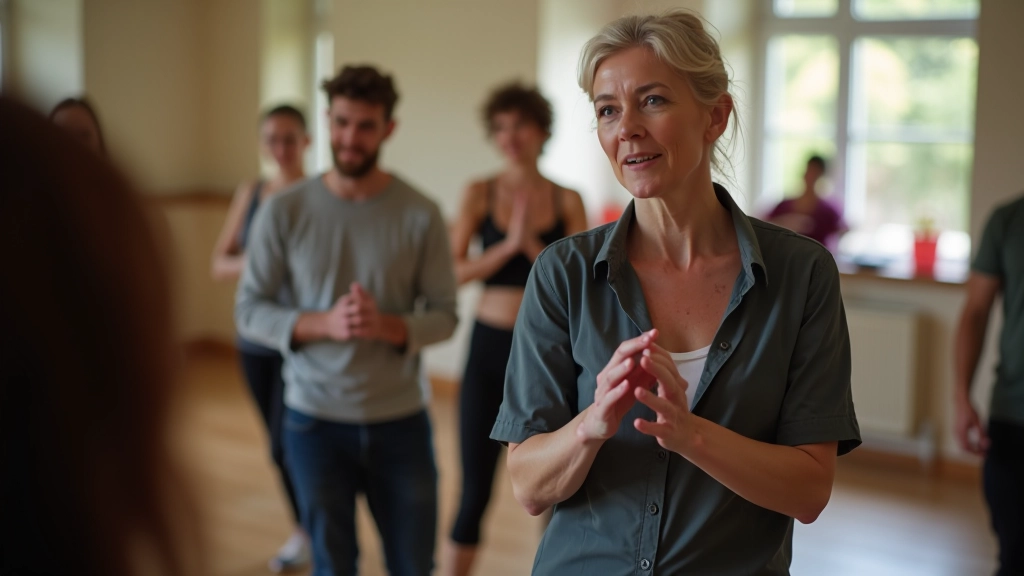
Walking into a bachata night in Dublin for the first time? You'll probably feel nervous. That's everyone. But here's what actually happens: you'll arrive, maybe get a quick 10-15 minute beginner rundown of the basic step, then you'll be dancing.
The music is slower than salsa — typically around 110-130 beats per minute — so you've got time to think. You won't be rushed. Most venues have a mix of beginners and experienced dancers, and the good ones (and Dublin has several) pair you up thoughtfully. Don't panic if you mess up the step. Everyone does. Your partner will guide you.
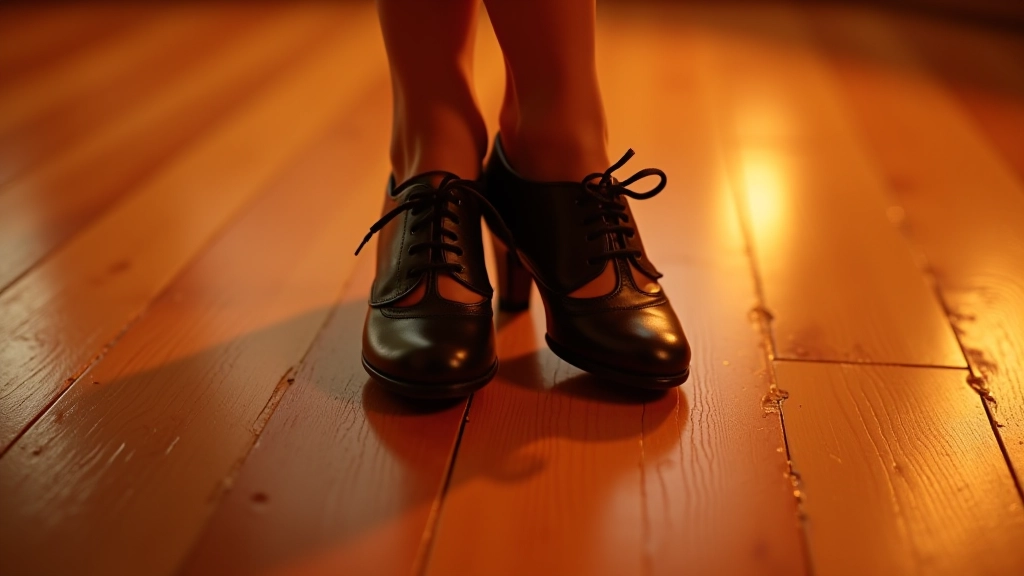
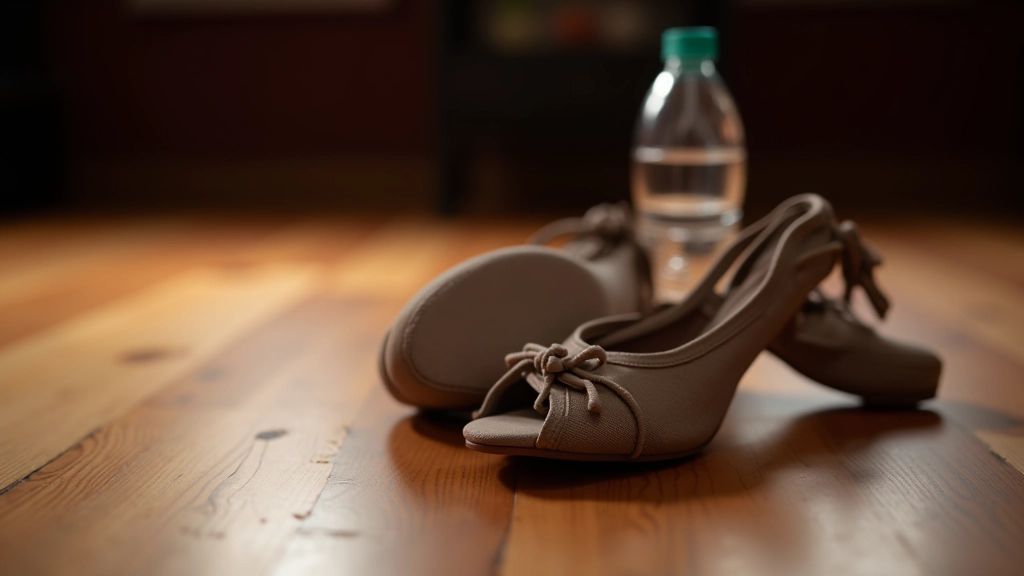
Bring comfortable shoes — flat soles or dance shoes work fine. You're not going to need anything fancy. Jeans and a t-shirt are completely acceptable. Some venues suggest you wear something you can move in, but nobody's judging your outfit.

Finding Welcoming Groups in Dublin
Dublin's got a solid bachata scene. Most beginner nights happen midweek or on Friday and Saturday evenings. Look for venues that explicitly say "beginner-friendly" or "all levels welcome." That matters.
What you're looking for: A venue that has an actual beginner session (even if it's just 20 minutes) before the social dancing starts. Teachers who make eye contact and explain things simply. Other people who look nervous too. When you find that, you've found the right spot.
The bachata community is genuinely welcoming. People remember being beginners. They'll partner with you, give you pointers, and invite you back. It's collaborative, not competitive. That's what makes it different from some other dance scenes.
Key Things to Know Before You Go
You Don't Need a Partner in Advance
Most venues have a rotation system or instructors will pair people up. You're not showing up alone to feel awkward. This is normal.
Lead and Follow Roles Exist
Someone leads (traditionally the "leader"), someone follows. These aren't rigid — many dancers swap roles. But knowing which role you're taking helps in those first weeks.
It's About Connection, Not Perfection
You can have a great dance with someone even if both of you mess up steps. The connection and musicality matter way more than executing perfect technique.
Your Body Will Get It Before Your Brain Does
After 3-4 sessions, your feet will know the step even if you're still thinking about it consciously. That muscle memory kicks in faster than you'd expect.
Starting Is Easier Than You Think
Bachata has a low barrier to entry. You don't need years of dance experience. You don't need to be in perfect shape. You just need to show up, be willing to look a bit silly for the first 20 minutes, and then have a genuinely good time dancing with people who are in the exact same position you are.
Dublin's got venues running beginner nights regularly. Pick one, commit to three sessions, and see how it feels. Most people who try it end up coming back. Not because they become amazing dancers, but because they found a community where they actually enjoy being.
Disclaimer: This guide is for informational and educational purposes. While we've made every effort to provide accurate information about bachata fundamentals, individual experiences with dance instruction may vary. Always follow the guidance of qualified dance instructors at your chosen venue. If you have any physical limitations or health concerns, consult with a healthcare professional before beginning any dance activity.
Related Articles